
Magnesium Wheel News & Guides
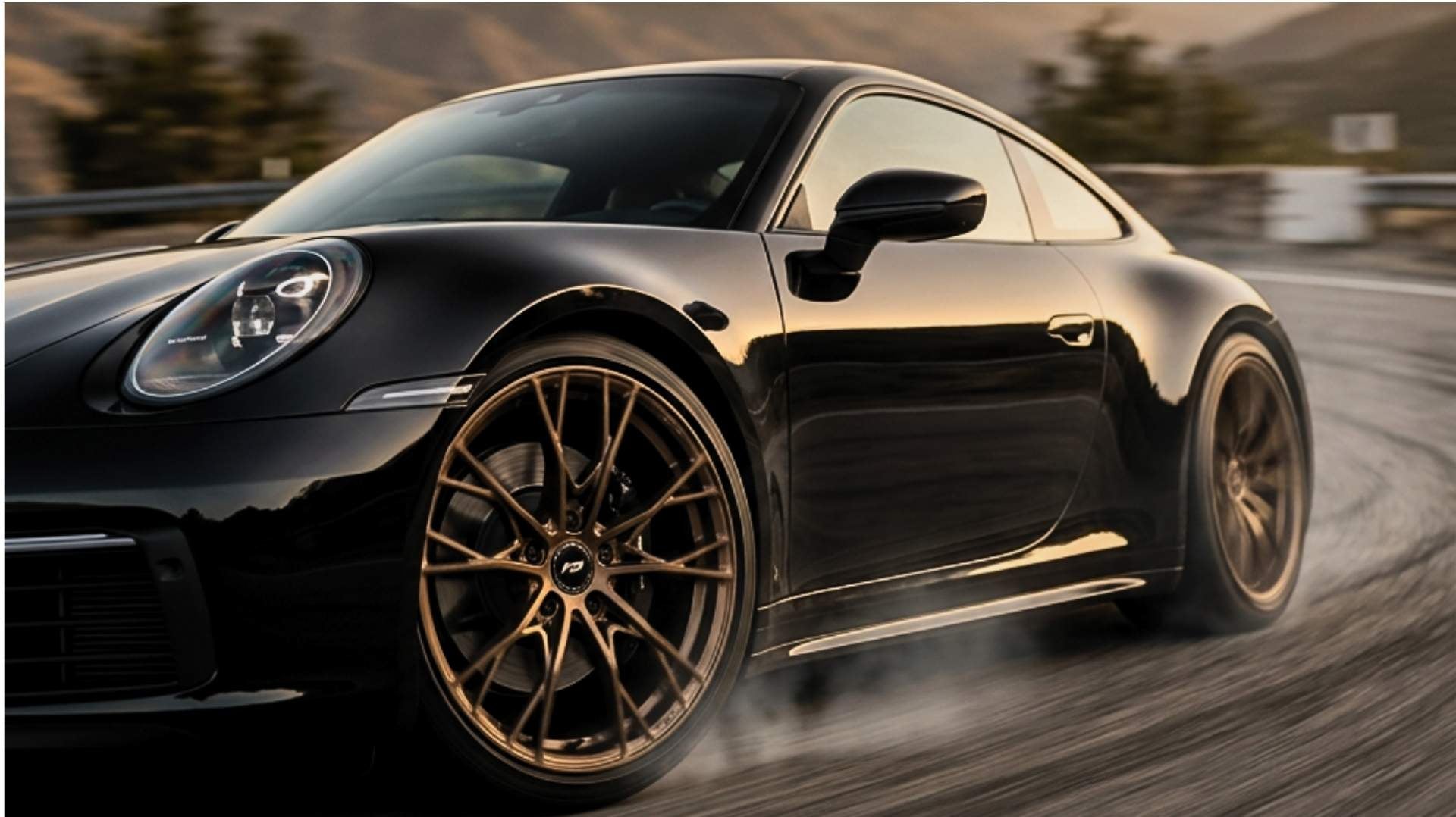
Magnesium Wheels vs Aluminum Wheels: Which Is Right for Your Build?
Key takeaways Magnesium wheels are lighter than aluminum wheels, reducing both unsprung and rotational mass. Less wheel weight improves steering response, braking consistency, acceleration, and suspension performance. Forged magnesium wheels...
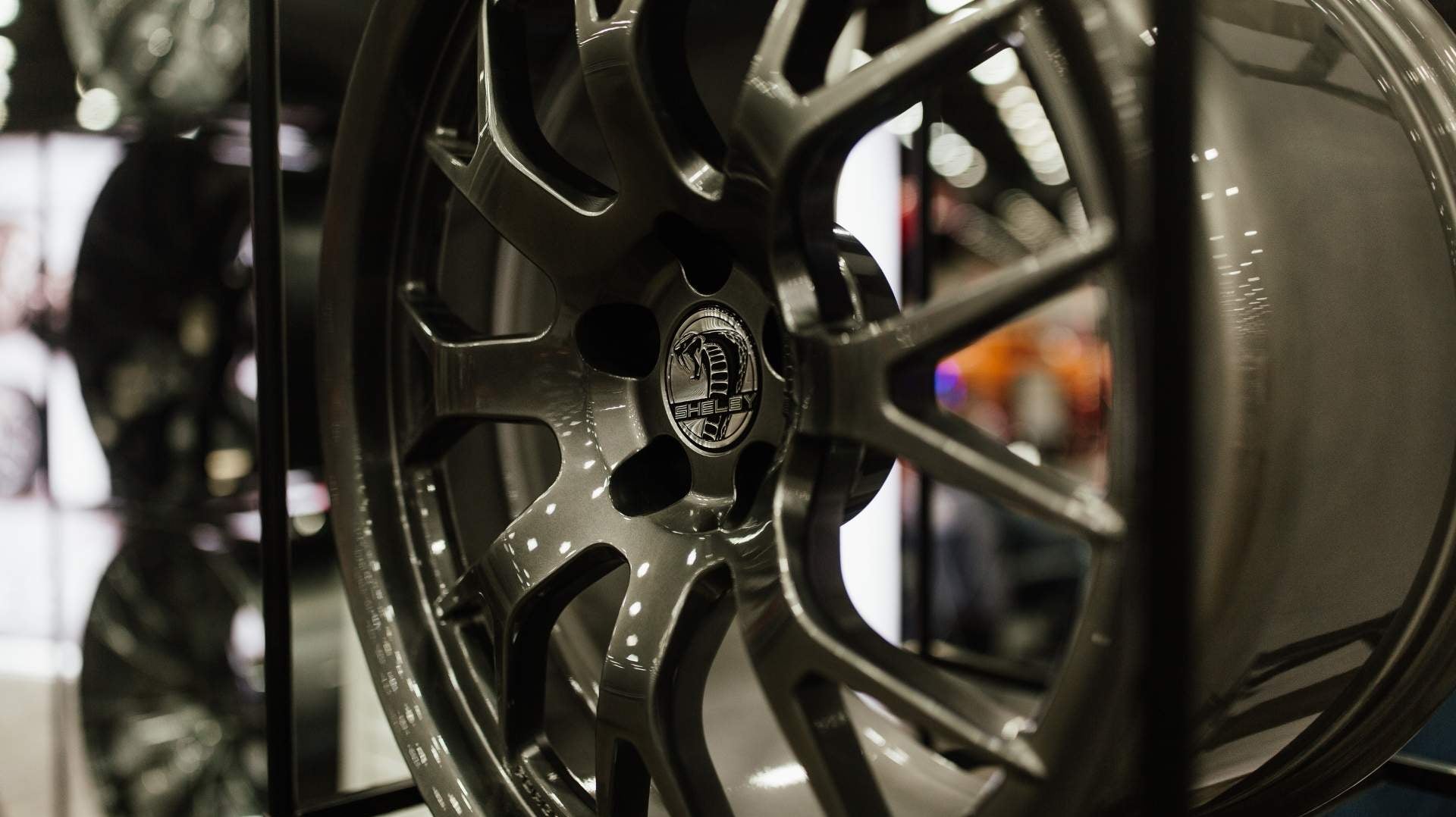
Mag Wheels Explained: The Truth About Magnesium Wheels Today
Key takeaways “Mag wheels” originally referred to magnesium alloy wheels used in racing applications. Modern forged magnesium wheels are far more durable and corrosion-resistant than older designs. Mag wheels offer...
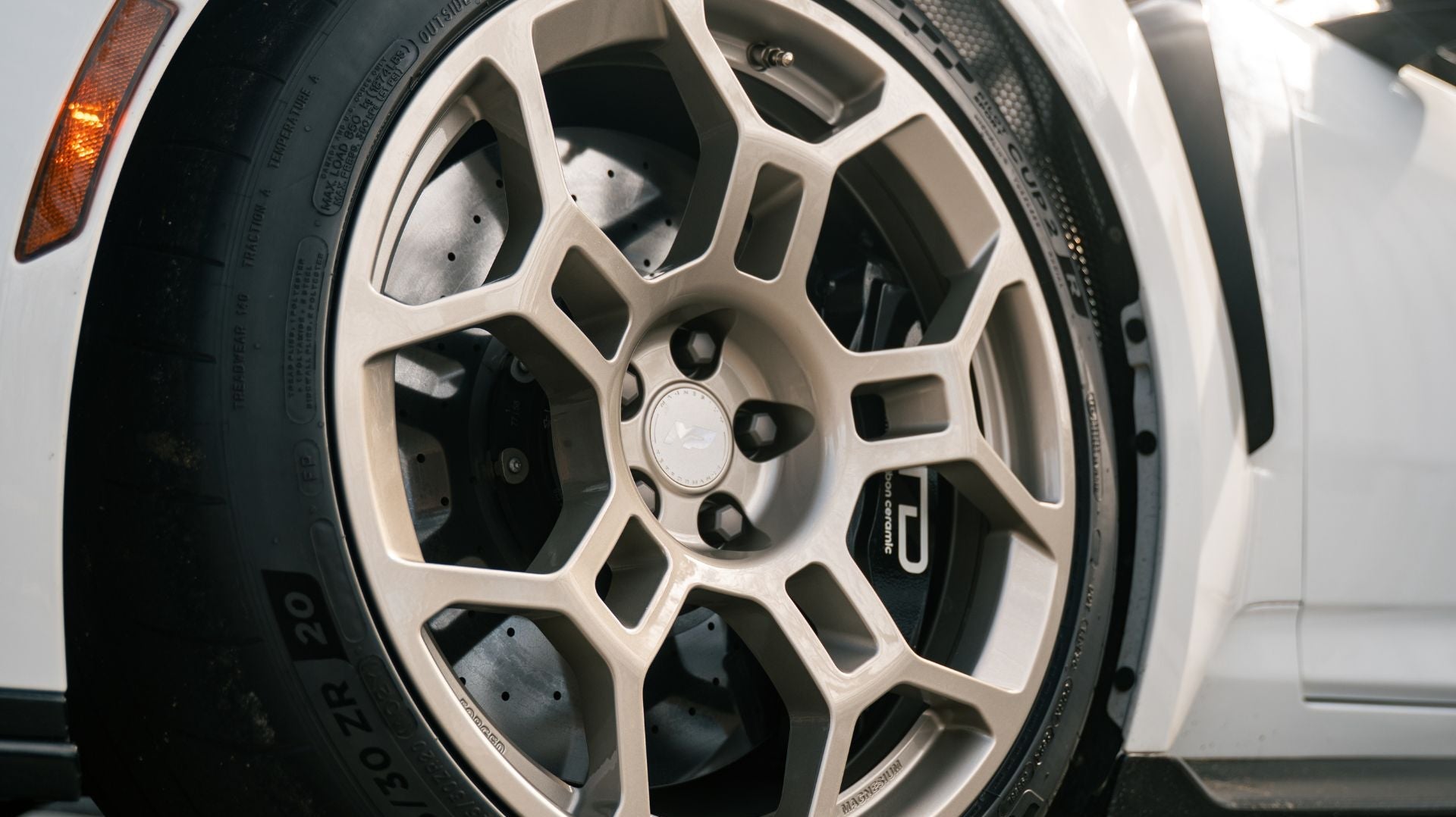
Are Aftermarket Forged Wheels Worth It? What You Gain (and What to Watch For)
Key takeaways Aftermarket forged wheels offer a stronger strength-to-weight ratio than cast or flow-formed wheels, improving steering response, braking consistency, and overall control. Monoblock forged wheels are typically the lightest...
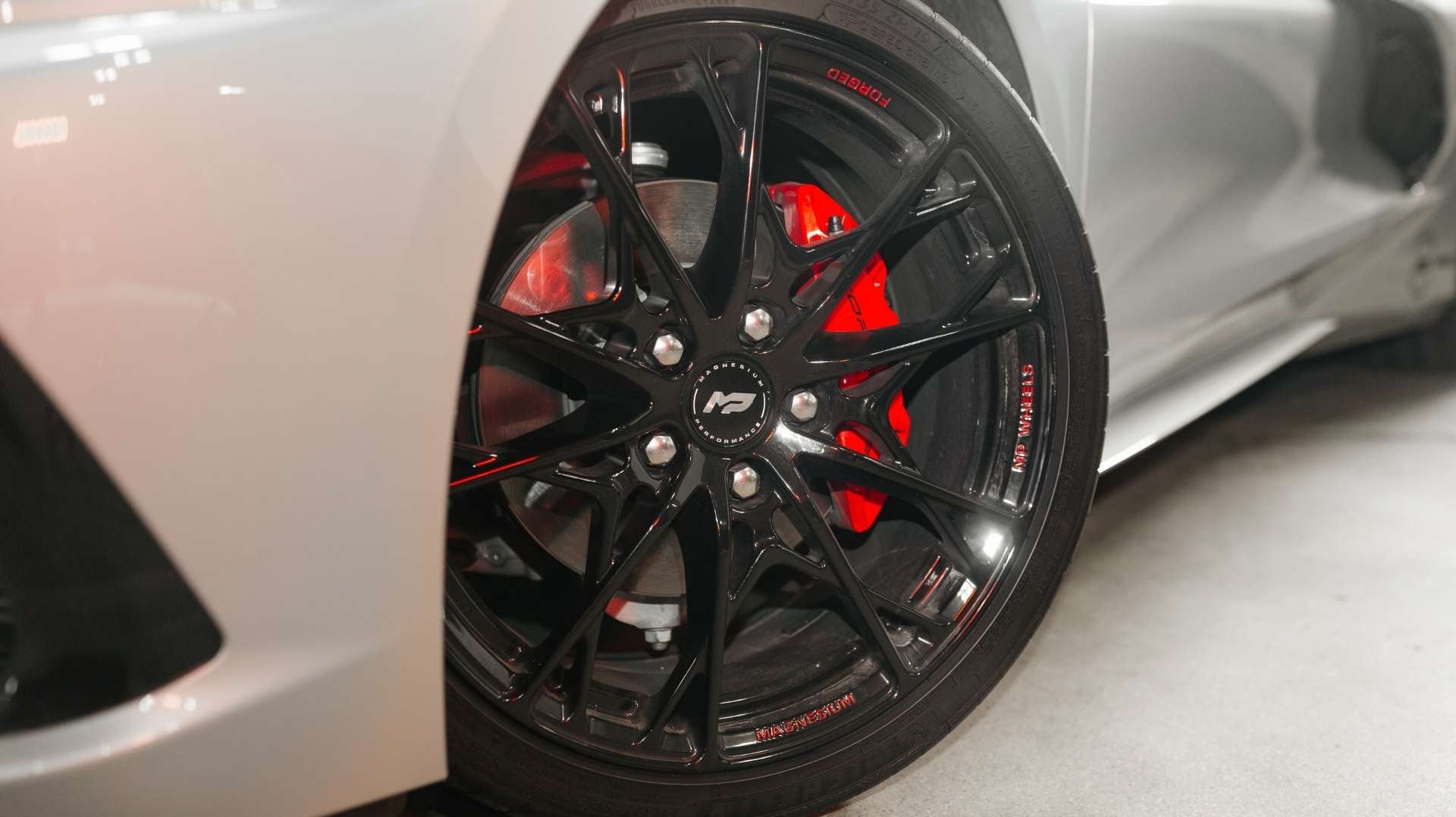
Why Magnesium Rims Reduce Unsprung Mass (and Why That Changes Everything)
Key takeaways Magnesium rims can reduce unsprung mass by roughly 20–30% compared to aluminum, leading to quicker acceleration, shorter braking distances, and more precise handling. Forged magnesium wheels feature a...
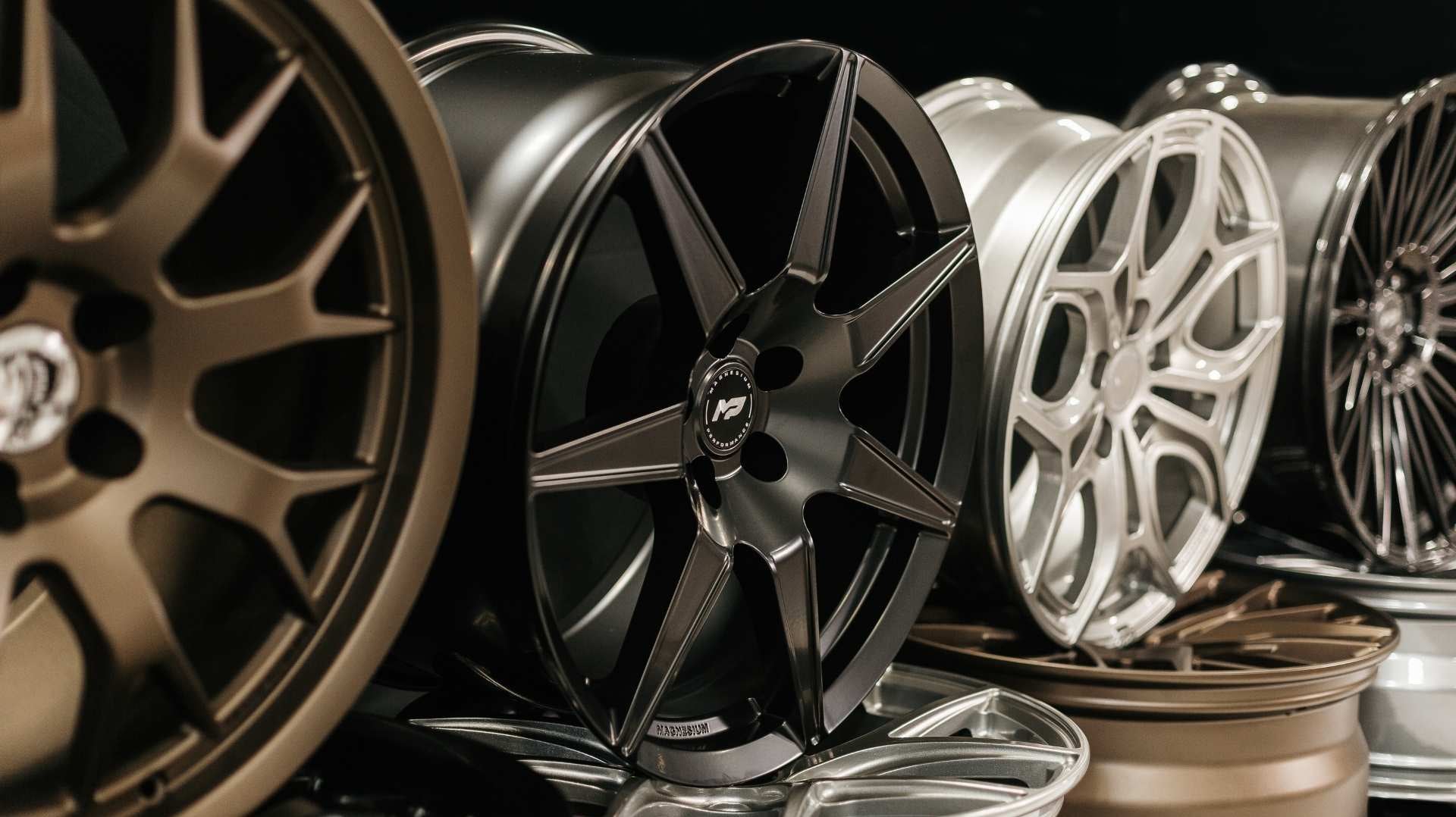
Forged Rims for Street vs. Track: When Forged Magnesium Is the Right Choice
Key takeaways Forged rims deliver sharper steering response, more consistent braking, and better suspension control than cast wheels. Forged aluminum rims are well suited for daily driving and mixed street/track...
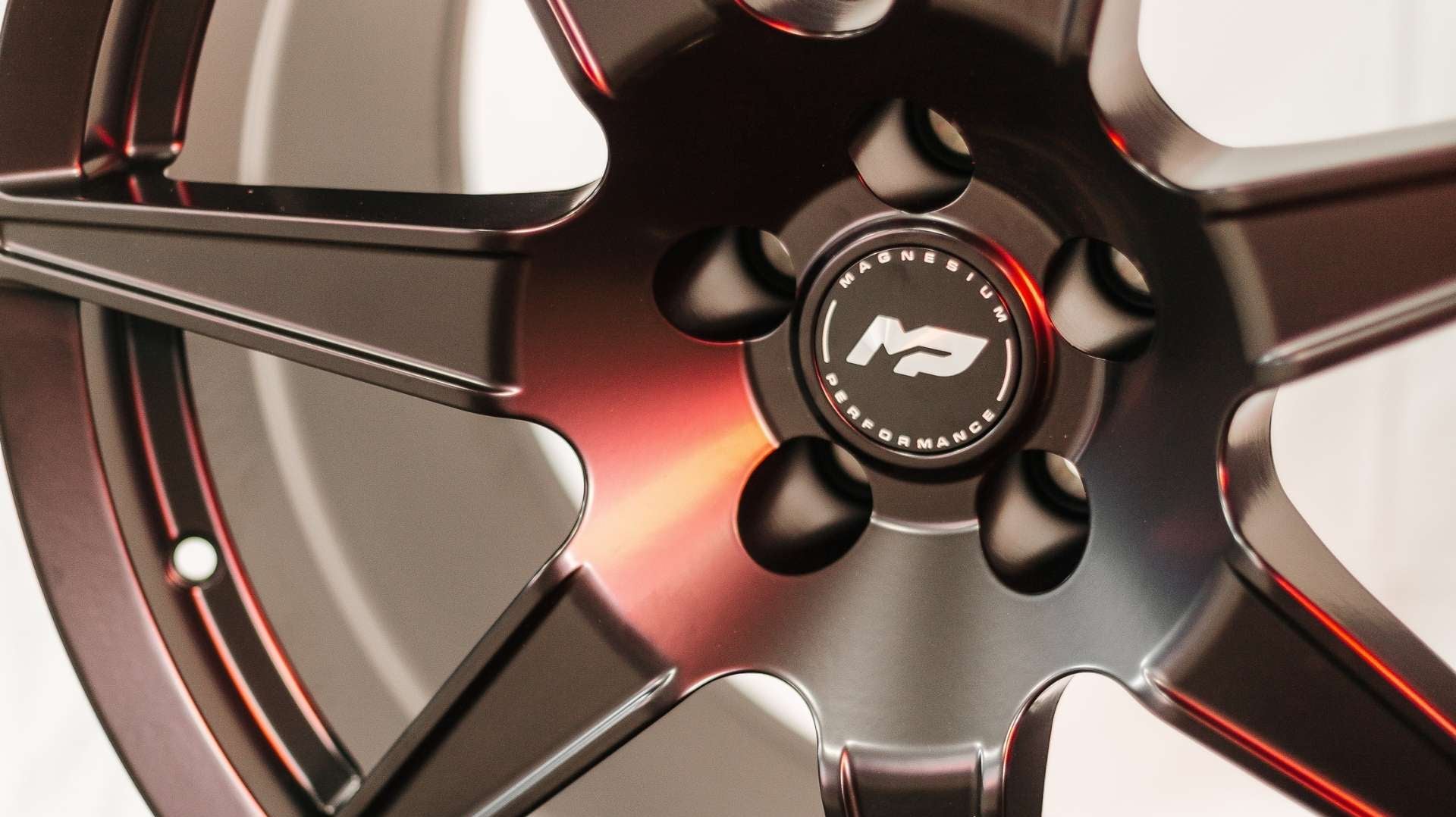
What Forged Magnesium Wheels Do to Lap Times: Real Track Data, Real Gains
Key takeaways Forged magnesium wheels reduce unsprung and rotational mass by roughly 10–40% compared to aluminum, improving throttle response, braking efficiency, suspension compliance, and turn-in precision. Back-to-back track testing with...
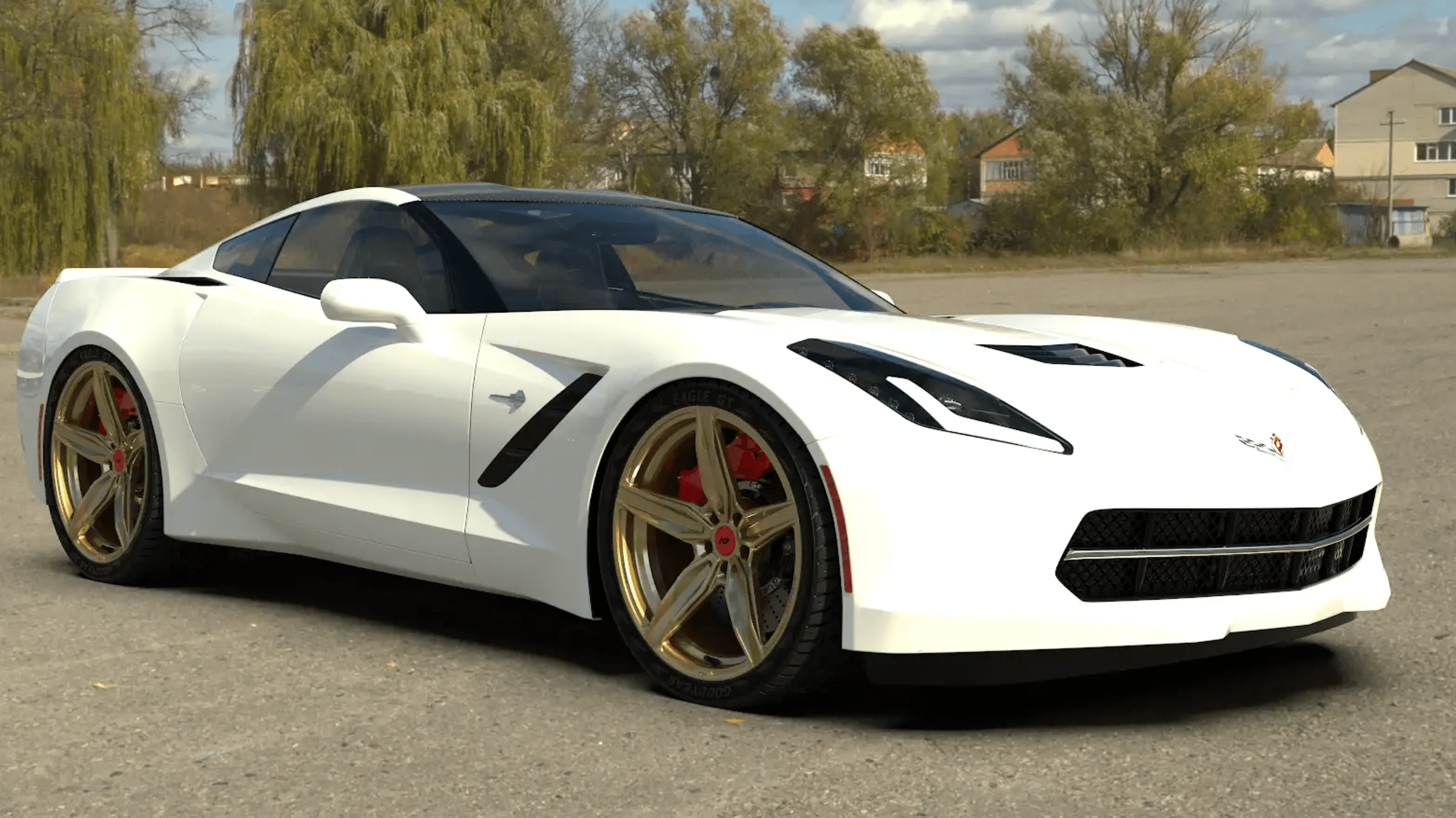
Best Cars to Upgrade with Forged Magnesium Rims
Key takeaways Magnesium wheels are lighter and stronger than aluminum or steel, which can lead to quicker acceleration, more responsive vehicle handling, and more efficient fuel consumption. Porsche and C8...
