
Magnesium Wheel News & Guides

Mustang GTD Magnesium Wheels: You Were Promised Magnesium, Now You Can Get Them
Key takeaways The Mustang GTD was originally positioned with magnesium wheel expectations, making weight reduction central to its performance identity. Forged magnesium wheels offer meaningful weight savings over forged aluminum...

Are Aftermarket Forged Wheels Worth It? What You Gain (and What to Watch For)
Key takeaways Aftermarket forged wheels offer a stronger strength-to-weight ratio than cast or flow-formed wheels, improving steering response, braking consistency, and overall control. Monoblock forged wheels are typically the lightest...
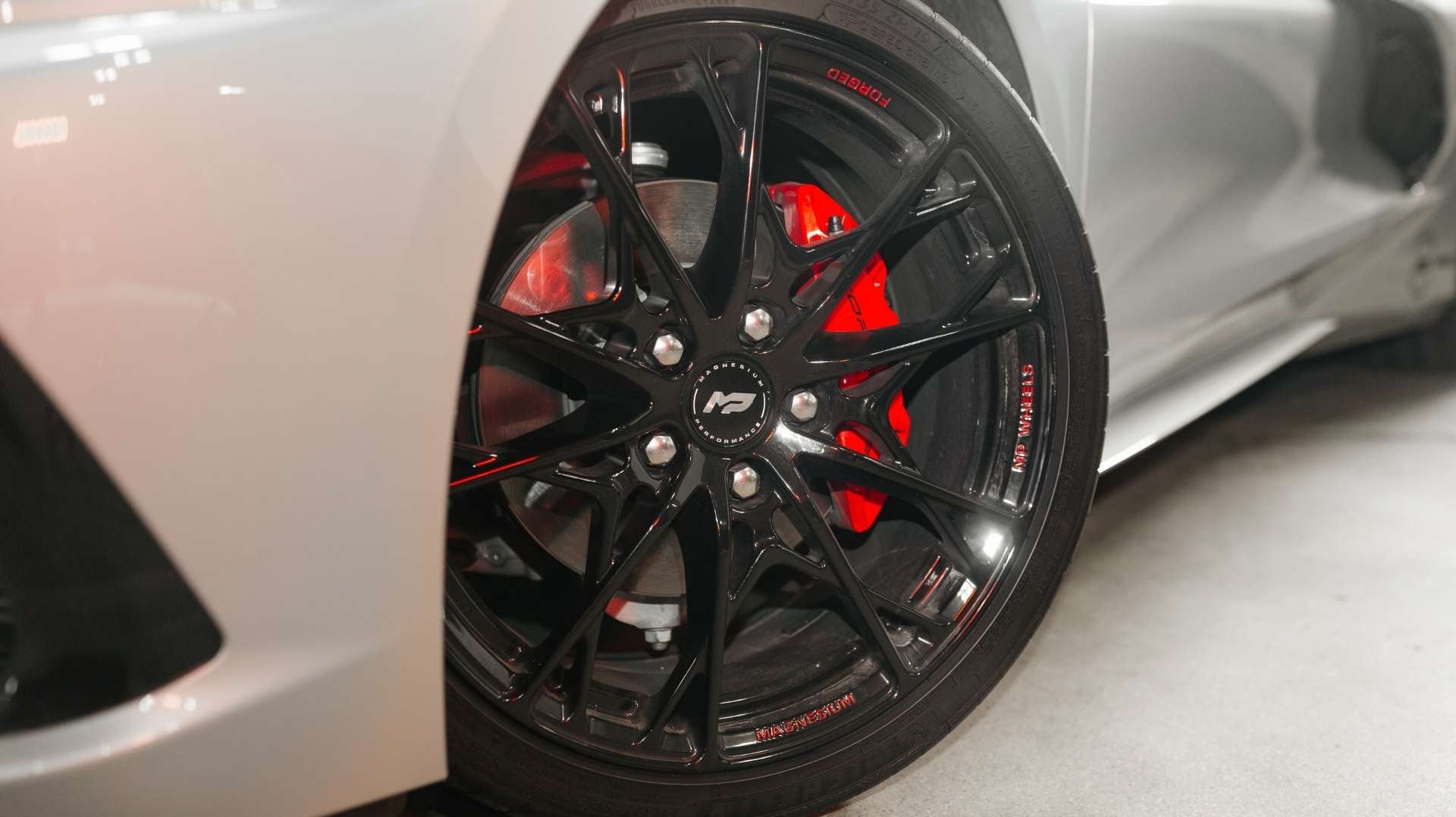
Why Magnesium Rims Reduce Unsprung Mass (and Why That Changes Everything)
Key takeaways Magnesium rims can reduce unsprung mass by roughly 20–30% compared to aluminum, leading to quicker acceleration, shorter braking distances, and more precise handling. Forged magnesium wheels feature a...
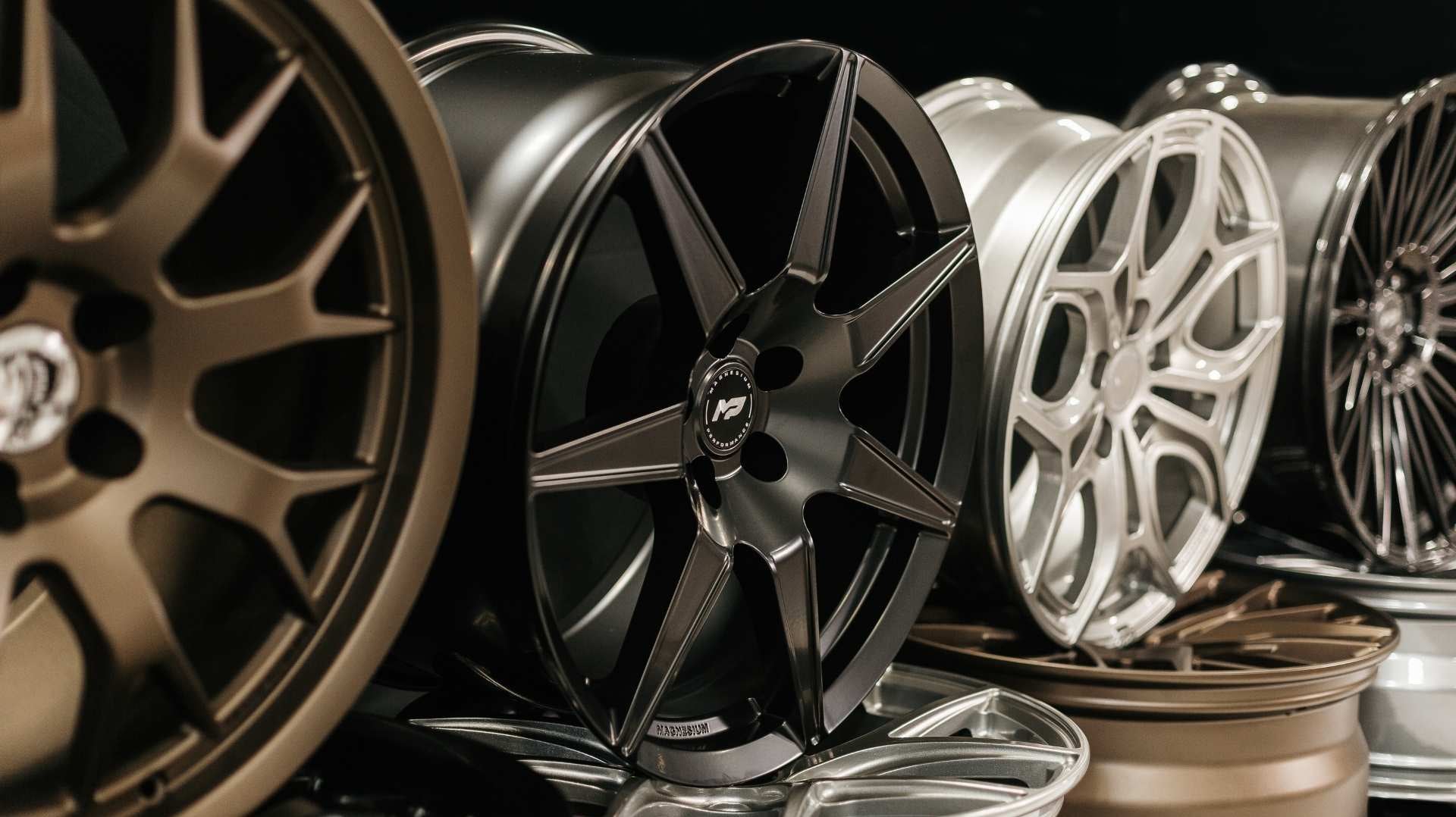
Forged Rims for Street vs. Track: When Forged Magnesium Is the Right Choice
Key takeaways Forged rims deliver sharper steering response, more consistent braking, and better suspension control than cast wheels. Forged aluminum rims are well suited for daily driving and mixed street/track...
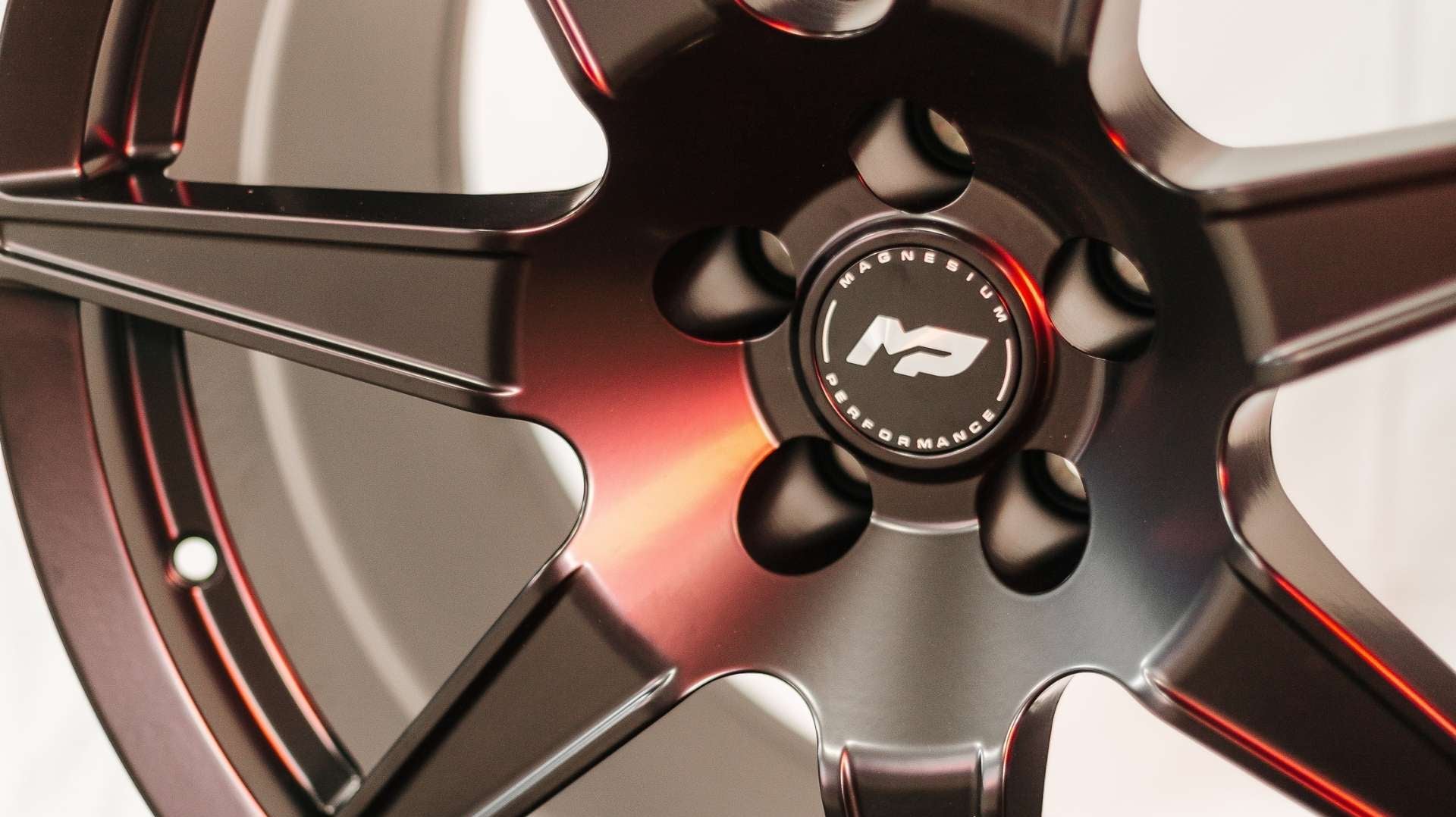
What Forged Magnesium Wheels Do to Lap Times: Real Track Data, Real Gains
Key takeaways Forged magnesium wheels reduce unsprung and rotational mass by roughly 10–40% compared to aluminum, improving throttle response, braking efficiency, suspension compliance, and turn-in precision. Back-to-back track testing with...
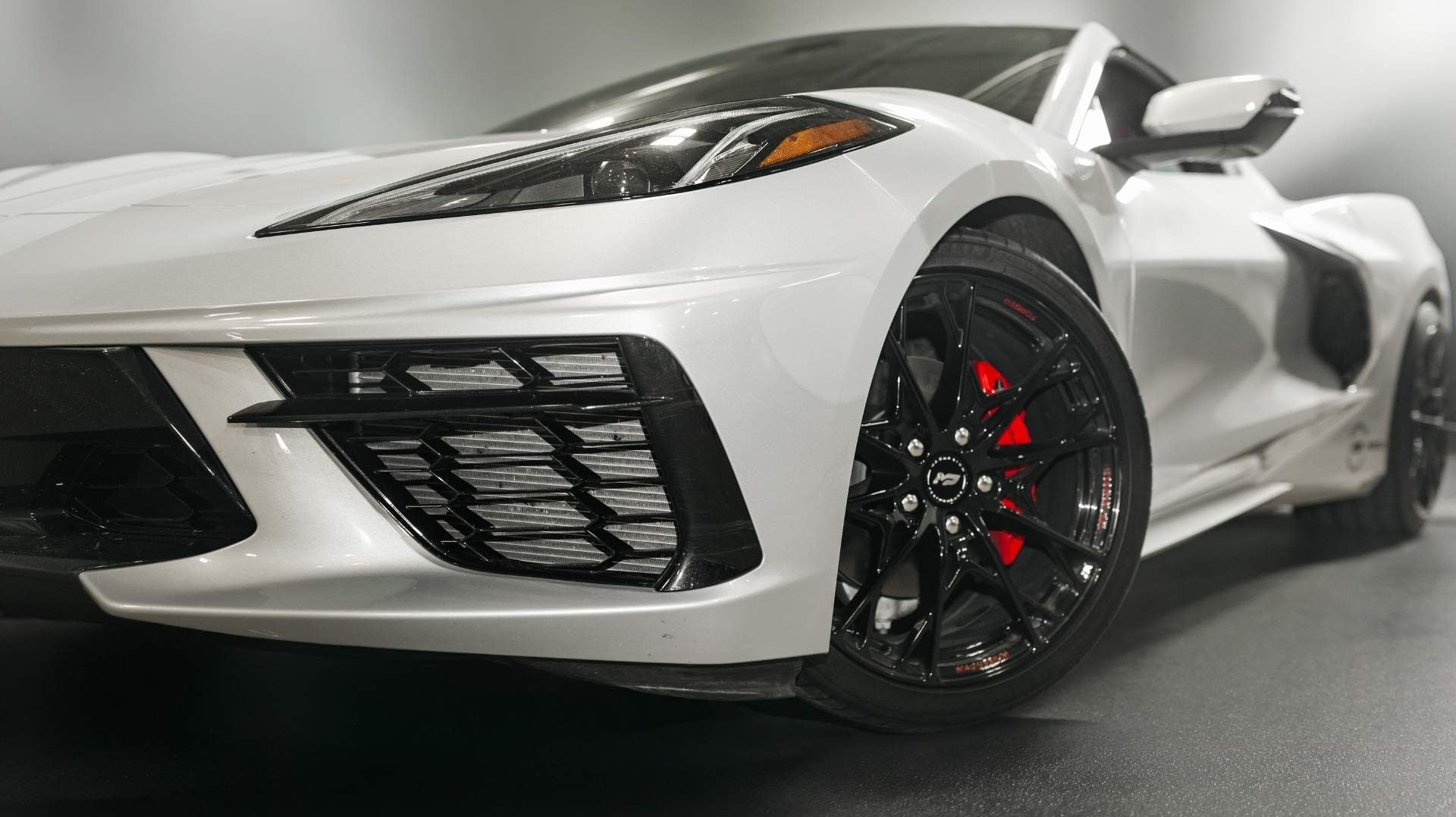
Why Magnesium Sets the Standard for Lightweight Wheels
Key takeaways Magnesium is the lightest structural metal used for wheels, offering a meaningful weight drop compared to forged aluminum without sacrificing rigidity or durability when properly forged. MP Wheels’...

Why Forged Magnesium Wheels Dominate in Motorsport
Key takeaways Forged magnesium wheels significantly reduce unsprung and rotational mass, improving acceleration, turn-in response, and suspension control in motorsport environments. The forging process produces a dense, aligned grain structure...

Aftermarket Performance Wheels Explained: How to Choose the Right Setup for Your Build
Key takeaways Aftermarket performance wheels improve handling, braking, and steering feel by reducing unsprung mass and increasing structural rigidity. Construction matters most: forged wheels offer the highest strength and lowest...

Why Forged Magnesium Rims Cost More
Forged wheels already sit at the higher end of the pricing spectrum because the forging process requires specialized equipment, multiple heat cycles, and extensive machining. Add magnesium into the mix, an exotic, lightweight metal with demanding production requirements, and costs rise even further.

Forged Rims vs. Forged Magnesium Rims: Key Differences
Key takeaways Forged rims are stronger and lighter than cast wheels. Aluminum is the most common material for wheels overall, valued for its balance of cost, style, and performance. By...

Are Forged Magnesium Wheels Worth the Price?
Key takeaways Forged magnesium wheels are designed for strength and lightness, making them a popular choice among performance-focused drivers. Compared with forged aluminum, their lighter weight can support quicker acceleration,...

Forged Magnesium Wheels for Supercars: Buyer’s Guide
Key takeaways Forged magnesium wheels cut unsprung mass, enabling sharper handling, faster acceleration, and improved braking performance. Compared to forged aluminum and cast magnesium wheels, forged magnesium delivers exceptional strength...
